
THE CIRCULAR FASHION MOVEMENT IN VIETNAM: CLOSING THE LOOP

10 AUGUST 2023
As the global fashion industry faces increasing scrutiny for its environmental impact, a revolutionary concept is gaining traction: the circular fashion movement. In Vietnam, a country with a rich textile heritage and a burgeoning fashion industry, the call for sustainability is resonating loudly. The circular fashion movement aims to “close the loop” on the fashion lifecycle, promoting eco-friendly practices that minimize waste and maximize the potential of every garment. In this blog post, we delve into the circular fashion movement in Vietnam, exploring the initiatives, innovations, and challenges that are helping to shape a more sustainable future for the country’s fashion industry.
The Circle of Sustainability
The circular fashion movement rests on three core principles: reducing, reusing, and recycling. In Vietnam, the journey begins with responsible sourcing of materials and eco-conscious design choices. Sustainable fabrics like organic cotton, bamboo, and recycled fibers are becoming increasingly prevalent, ensuring that the environmental impact of clothing production is minimized from the start. By embracing these practices, the fashion industry in Vietnam is gradually transitioning from a linear “take-make-dispose” model to a circular one that respects the planet’s resources.
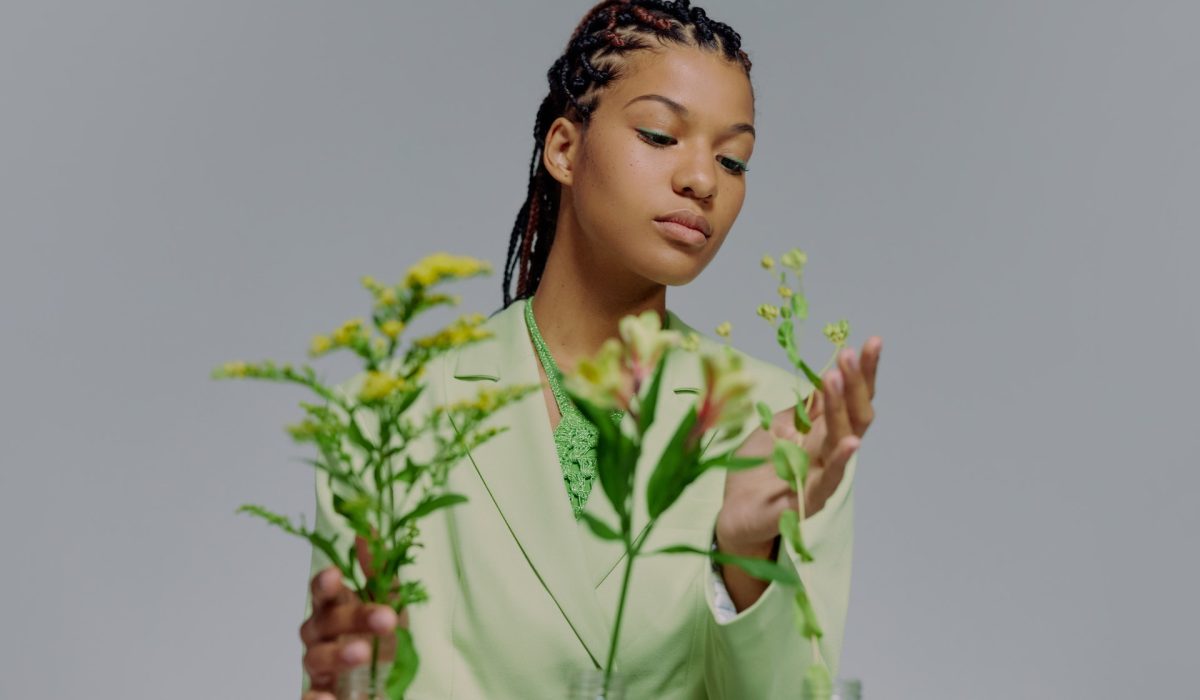
Closing the Loop: Recycling and Upcycling
Vietnam is witnessing a surge in clothing recycling and upcycling initiatives. Recycling centers and collection points are becoming more common, where consumers can drop off their old garments, diverting them from landfills. These materials are then sorted, processed, and transformed into new textiles, ready to be woven into fresh, fashionable pieces. Additionally, upcycling has emerged as a creative way to breathe new life into old clothes, giving them a second chance as unique, upcycled fashion items.
Circular Economy Partnerships
To foster the circular fashion movement, collaborations between various stakeholders are crucial. In Vietnam, fashion brands are teaming up with recycling facilities, non-governmental organizations, and local artisans to create closed-loop systems. By working together, they aim to streamline the recycling process, ensure transparency, and maximize the positive impact of their sustainable efforts.
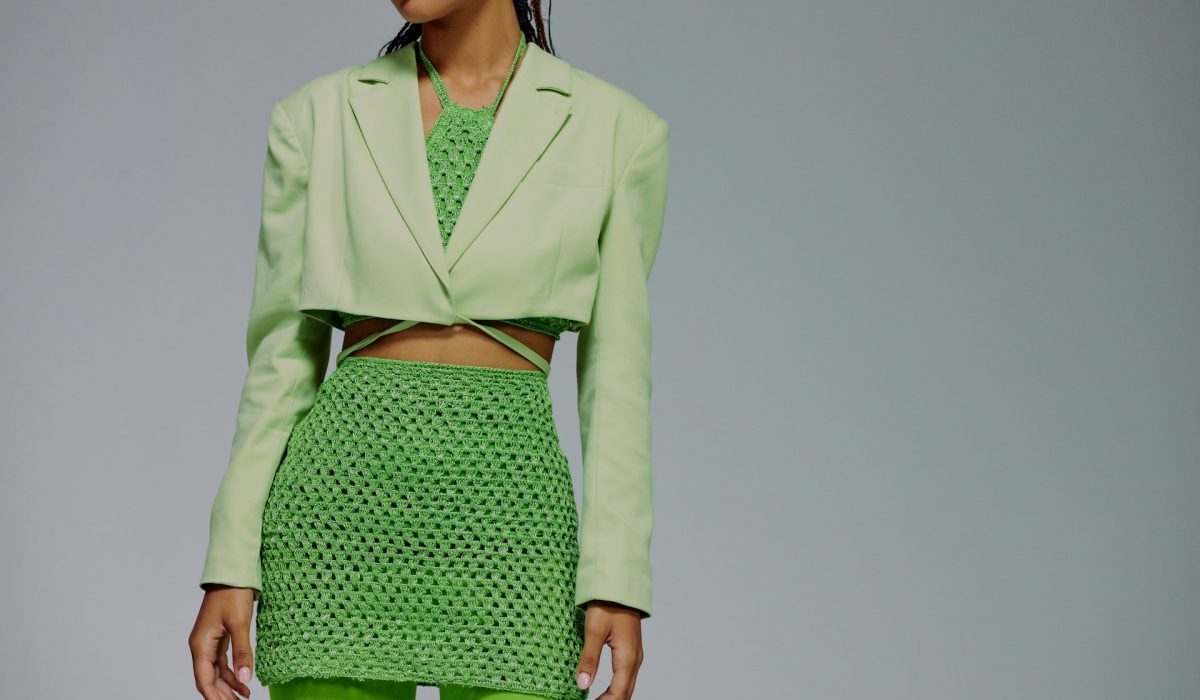
The Rise of Secondhand Fashion
In line with circular principles, secondhand fashion is booming in Vietnam. Thrift shops, vintage stores, and online platforms dedicated to preloved clothing are gaining popularity among eco-conscious consumers. Buying secondhand not only extends the lifespan of garments but also reduces the demand for new productions, further contributing to a more sustainable fashion ecosystem.
Challenges and Opportunities
While the circular fashion movement in Vietnam is gaining momentum, it also faces challenges. Scaling up recycling infrastructure, educating consumers about sustainable choices, and convincing the industry to shift towards circular practices require concerted efforts. Nevertheless, these challenges present opportunities for innovation and conscious consumer engagement. Fashion brands can showcase their commitment to sustainability, and consumers can vote with their wallets, supporting brands that align with their values.

The circular fashion movement in Vietnam represents a transformative shift towards a more sustainable and responsible fashion industry. By embracing the principles of reduce, reuse, and recycle, the country’s fashion sector is closing the loop on wasteful practices and embracing a circular approach that benefits both the environment and its people. As consumers, we play a vital role in driving this positive change by making conscious choices and supporting brands that prioritize sustainability. Together with CLODDIE, we can foster a circular fashion ecosystem that brings style and responsibility into perfect harmony.
 Lithuanian
 English